
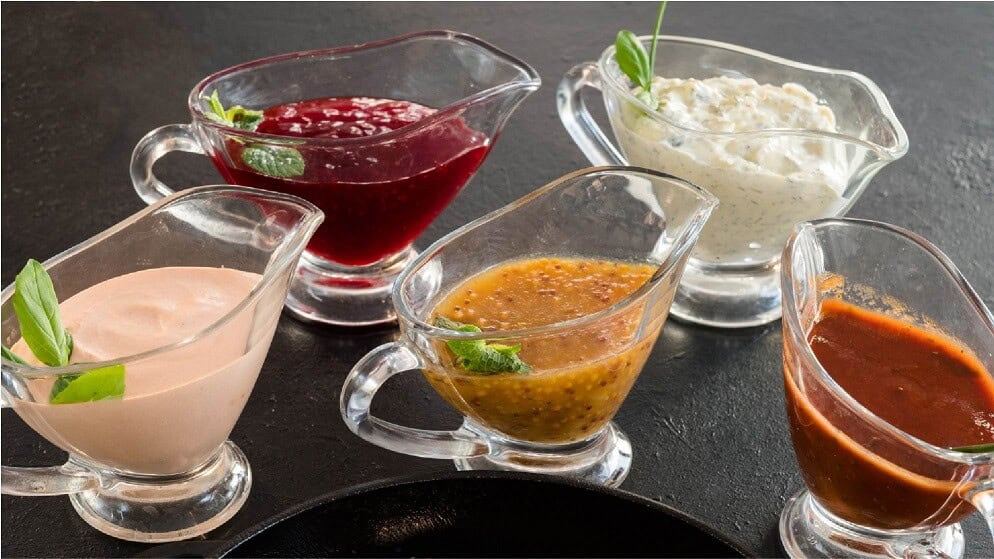
French cuisine and sauces go together like bread and butter—or better yet, like béchamel and lasagna. Mastering the art of sauce-making isn’t just for Michelin-star chefs; it’s a skill that can transform your home cooking and elevate any dish. With a touch of confidence, some whisking, and maybe a bravery pep talk for tackling roux, you’ll be churning out sauces that make your pasta, meats, and veggies taste gourmet.
If the idea of making fancy French sauces feels intimidating, don’t worry—you’re not alone. But here’s the good news. These sauces aren’t magic, just a little chemistry, and plenty of butter. Once you crack the code, you’ll have the foundation to whip up countless variations and impress even the pickiest dinner guests.
Sauces are the Backbone of French Cuisine

Imagine French cooking without its signature sauces. We’d never have creamy gratins, rich coq au vins, or the silky hollandaise on your eggs Benedict during Sunday brunch. Sauces are what tie dishes together; they amplify flavors and add textures that make French cuisine so decadent.
French sauces aren’t just about taste (though, wow, do they deliver). They’re about finesse, balance, and tradition. Knowing the basics of how sauces work means you can experiment and adapt recipes without fear of ruining the dish. Plus, they give you unspoken bragging rights—“Oh, this demi-glace? Just something I whipped up.”
Meet the Five Mother Sauces (Overview)
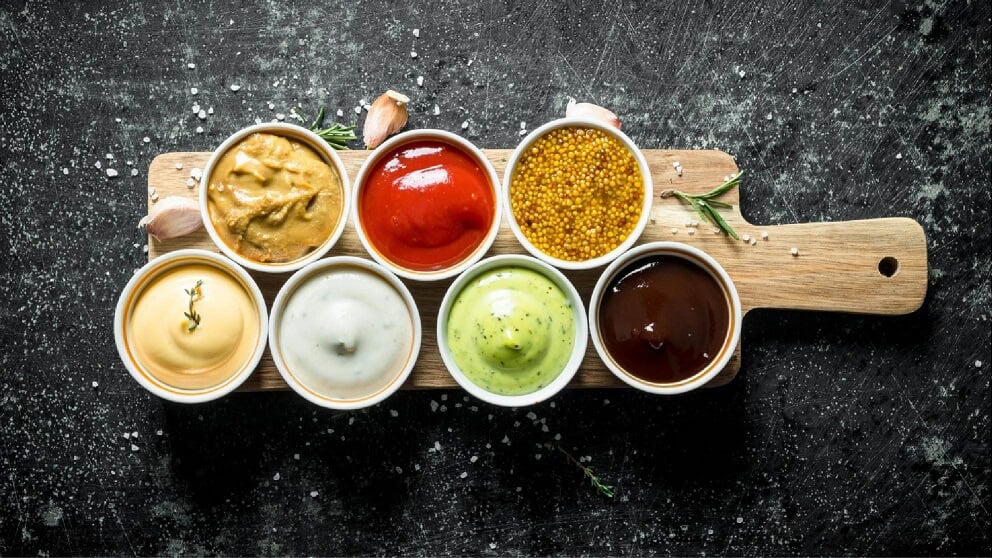
If you want to speak French cuisine fluently, you need to know the five “mother sauces.” Think of these as the foundation recipes; from them, you can spin off into hundreds of other concoctions. Let’s break them down, one by one:
1. Béchamel: The Creamy Comfort Maker
This milk-based sauce is thickened with a simple roux (that’s just a fancy name for butter and flour cooked together). Béchamel is the backbone of classics like lasagna, mac and cheese, and creamy gratins. And let’s not overlook croque monsieur—a sandwich that’s practically an ode to béchamel.
Beginner Tip: Keep whisking! Stirring constantly while adding milk prevents clumps. And don’t rush—cooking the roux for at least 1–2 minutes keeps your béchamel from tasting like raw flour.
2. Velouté: The Lighter, Broth-Based Cousin
Velouté swaps out milk for a light stock (like chicken or fish) while still relying on a roux for thickening. It’s less a “main act” and more a subtle background player. Use it in velvety soups, chicken pot pie, or anywhere you want a delicate flavor enhancer.
Beginner Tip: Taste your broth first. Velouté is only as good as the stock you use, so skip the bad bouillon cubes.
3. Espagnole (a.k.a. Brown Sauce): The Bold and Rich Powerhouse
This hearty, dark sauce starts with a rich beef stock, caramelized mirepoix (onion, carrot, celery), and a bit of tomato. It tastes bold, earthy, and slightly smoky. While it might not headline casual meals, espagnole is a key ingredient for gravy, bourguignon, and demi-glace. I love this video based on Escoffier proven style (except this method is much easier):
Beginner Tip: Patience is key here—remember, caramelizing isn’t the same as burning. Low heat and steady stirring work best.
4. Hollandaise: The Buttery Diva
Eggs, butter, and a touch of lemon—hollandaise is as luxurious as it gets. It’s emulsified (fancy word for blended) over gentle heat, which makes it as delicate as it is decadent. You probably know it best as the hero of eggs Benedict or drizzled over asparagus.
Beginner Tip: Heat control is everything. Too hot, and you’ll end up with scrambled eggs. And if it splits (where the butter and eggs separate), don’t panic—just whisk in a teaspoon of warm water to bring it back together.
5. Tomato Sauce: A Universal Favorite
While Italian cuisine may hog all the tomato-sauce glory, the French version leans lighter and sweeter. It’s simmered with stock and aromatics like garlic and herbs, making it perfect for seafood, chicken, or just spooning over rice.
Beginner Tip: Canned tomatoes can pack a punch of acidity. A pinch of sugar or a splash of cream helps mellow it out.
Common Sauce-Making Mistakes (And How to Fix Them)
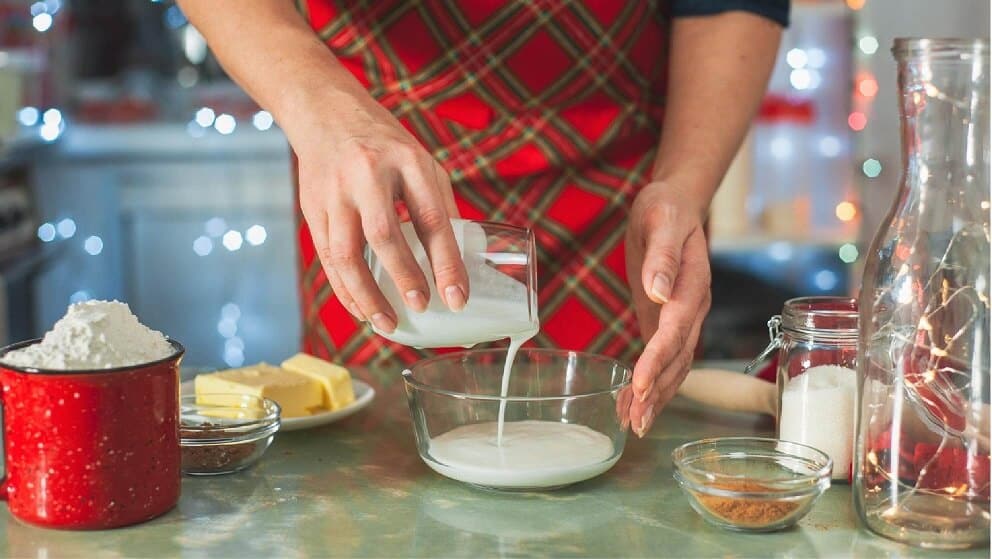
Even the best home cooks make sauce-related blunders. Here are a few mistakes to watch out for (and solutions to save the day):
- Clumpy roux: If you skimp on whisking, your béchamel might look like chunky oatmeal. To fix it, strain the sauce through a fine sieve—it’s like hitting reset.
- Overcooking hollandaise: No judgment if your first batch looks like scrambled eggs. Simply start over, or cheat a little and use an immersion blender to re-emulsify.
- Lack of seasoning: Bland sauce is… just sad. Don’t be afraid of salt—taste along the way, and adjust seasonings before serving.
- Ignoring texture: A sauce should coat the back of a spoon. If it’s too runny, simmer until it thickens; if it’s too thick, whisk in a splash of stock, milk, or wine.
Modern Twists for Everyday Cooking
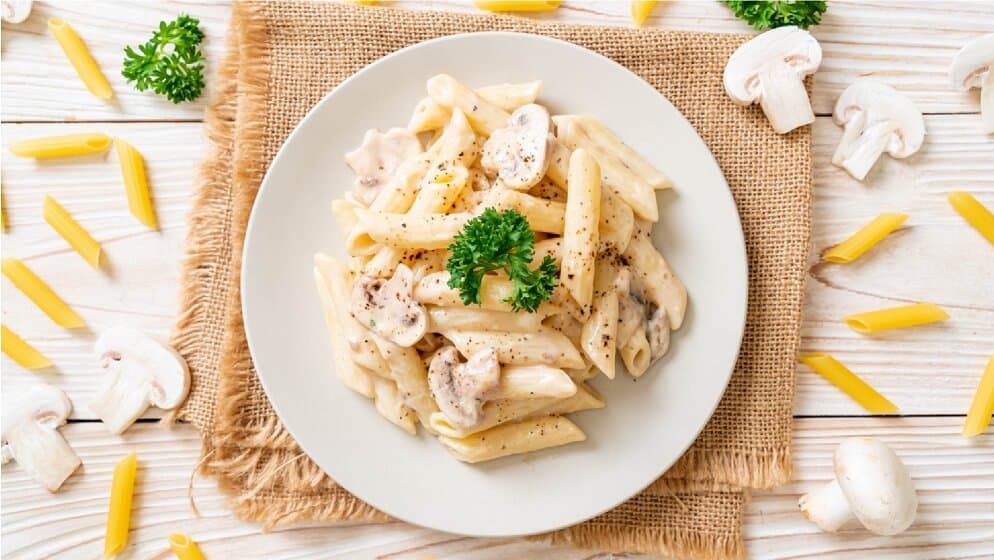
The beauty of these mother sauces is how easily they can be modernized. Here’s how to adapt them for today’s kitchens:
- Lighten Up: Swap butter for olive oil, or use plant-based milk for a vegan béchamel.
- Boost Flavor: Experiment with spices and herbs—think smoked paprika in hollandaise or a dash of curry in velouté.
- Add Nutrients: Blend puréed vegetables (like cauliflower) into béchamel for a healthy twist.
- Cut Prep Time: Use pre-made high-quality stocks or canned crushed tomatoes as a shortcut.
Mastering French sauces isn’t about perfection—it’s about practice and enjoying the process (even the occasional failures). These classic sauces are your ticket to next-level cooking and endless culinary creativity. Once you’ve got these under your belt, the possibilities are endless. Replace fear with a whisk, and remember, not even the French were born knowing how to make béarnaise.


