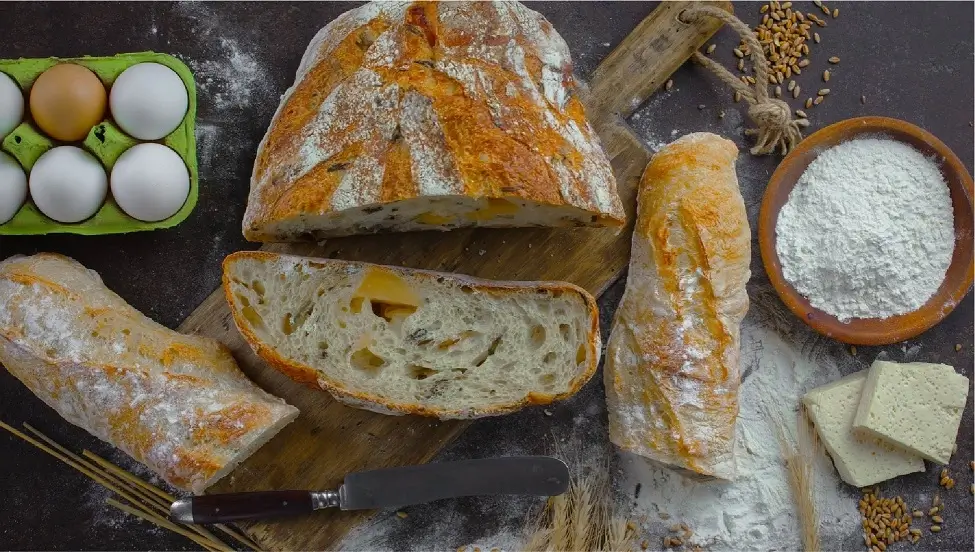
They say bread is life—and if you’ve tasted French bread, you know why. French bread isn’t just a staple; it’s a lifestyle. It’s the baguette tucked under someone’s arm as they stroll home, the crusty companion to a bowl of onion soup, or the soft, buttery star of an indulgent breakfast spread. French bread isn’t a food—it’s a cultural icon.
But what makes French bread so magical? And can us mere mortals really churn out those golden loaves at home without chucking lumps of dough in frustration? Grab your apron, and let’s unpack the secrets of France’s most treasured culinary export.
A Brief History of French Bread
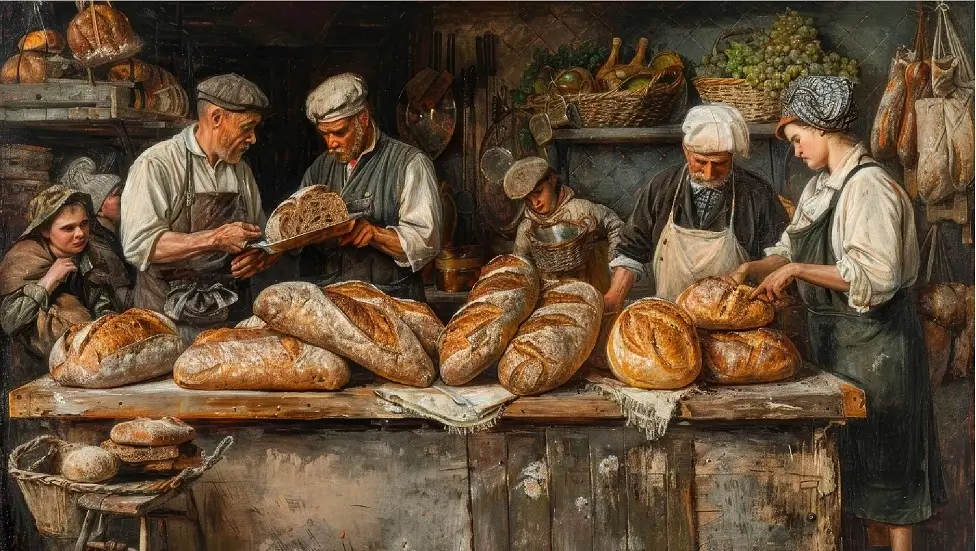
French bread dates back to the dawn of time—or at least to the time when people realized bread was a thing. But the iconic baguette, the figurehead of French bread, didn’t earn its household name status until the early 20th century. Legend claims a law required bakers to start work later in the day, making quicker loaves like baguettes more practical than time-consuming sourdoughs. Whether that’s true or just a baker’s urban myth, it’s clear the baguette earned its place as France’s MVP of carbs.
Beyond baguettes, the French have been kneading their way into history books with breads like pain de campagne (hearty country bread) and brioche (sweet-as-a-dream bread that could technically moonlight as dessert). Bread isn’t just for eating in France; it’s also a social handshake, a culinary symbol of sharing that turns any meal into an event.
And that crust? It’s practically a passport stamp from France.
Types of French Bread
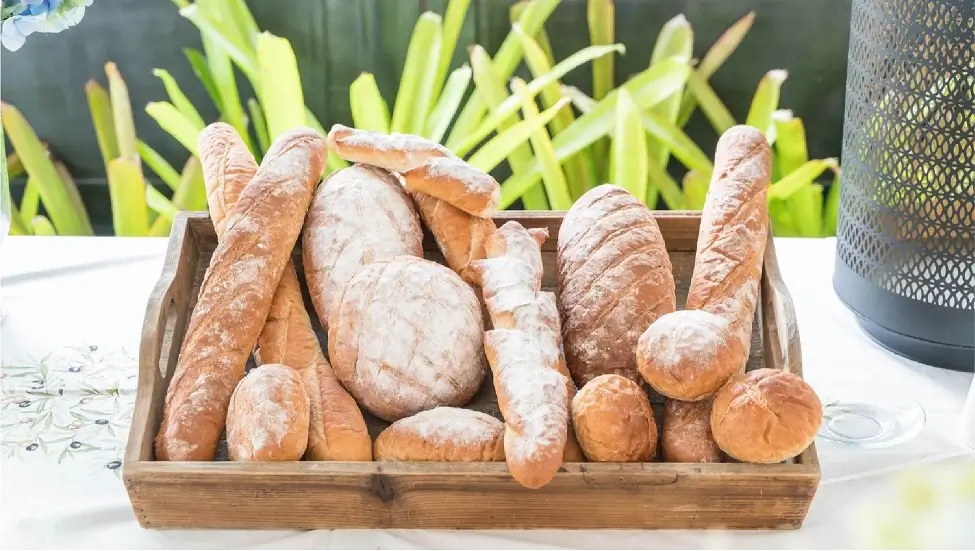
When it comes to French bread, variety isn’t the spice of life—it’s the flour, water, and yeast of it. Here’s a cheat sheet:
Baguette
The superstar. It’s long, golden, and crusty on the outside, tender on the inside. Great for tearing apart with your bare hands (as the French do) and perfect for everything from sandwich-making to soup-dunking.
Pain de Campagne
Rustic and robust, this “country bread” comes in various shapes, sometimes sporting those charming round forms dusted with flour. Thanks to its heartier flavor, it pairs well with cheese or hearty toppings for lunch.
Brioche
A buttery, fluffy cousin with a sweet side. Brioche often masquerades as bread but sneaks into pastry territory with its soft texture and egg-rich indulgence. French toast lovers, this one’s your playground.
Pain d’Épi
Also called the “wheat stalk bread,” this visually stunning baguette variant is snipped to resemble a stalk of wheat. It’s Instagram-worthy but also practical; you can easily tear off individual pieces.
Pain Poilâne
This massive round sourdough loaf might not be as glamorous as the baguette, but it’s a heavyweight champion in flavor. Poilâne bread’s tangy crumb is to die for, especially topped with butter and honey.
Fougasse
Picture bread-meets-art with this flat loaf that’s often shaped like a leaf. It’s got the chewiness of focaccia and loves being dressed up with olives, herbs, or sun-dried tomatoes.
Each bread type is carefully crafted with purpose, whether to complement a simple café breakfast or hold its own at a fine dining table. France, unsurprisingly, knows no half-measures when it comes to bread.
How to Make Authentic French Bread at Home
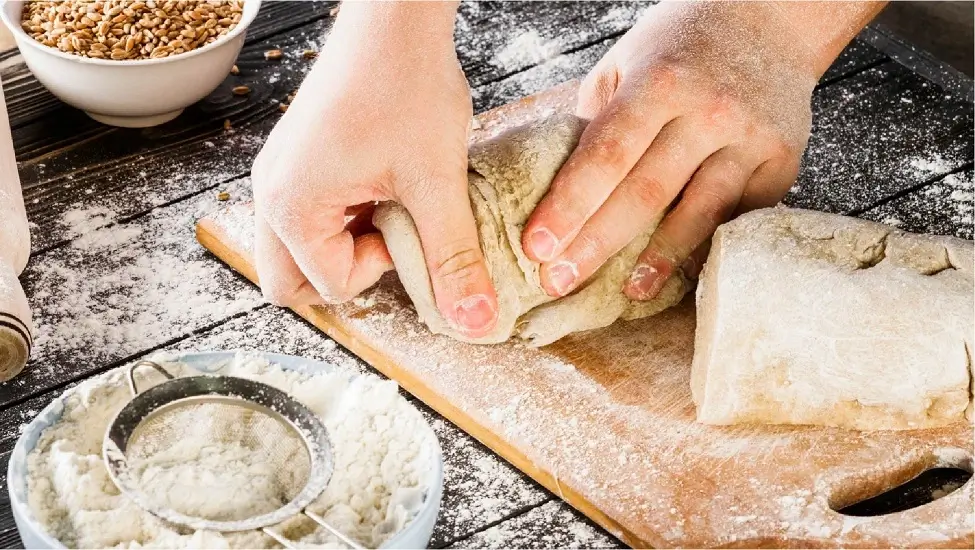
Making French bread seems like signing up for a marathon when you’ve only jogged around the block. But honestly, with a bit of patience and a dash of je ne sais quoi, you can pull it off. Here’s how:
Start With the Right Ingredients
French bread’s simplicity means every ingredient counts. Go for high-quality, unbleached flour—French bread flour, if you can manage—and don’t skimp on the salt (sea salt preferred). Ditch tap water if yours tastes too chlorinated; spring water works best to avoid messing with your yeast.
Master the Dough Dance
Mixing and kneading aren’t just steps—they’re part of the bread’s life story. Start slow, and once your dough has come together, get into the workout. You’re looking for smooth, elastic dough that passes the “windowpane test” (stretch it thin enough to see light through it).
Pro-tip? Don’t overthink it. Bread is forgiving as long as you treat it with care. Agitated dough will feel stiff and cranky—kind of like a teenager being asked to clean their room.
Proof Like a Pro
Proofing (a fancy word for resting your dough so the yeast can party) is make-or-break when going for that authentic taste and texture. French bread thrives on long, cool proofing periods for maximum flavor. If you’re in a rush, well… don’t be. Real French bread waits for no shortcuts.
The Magic of Scoring
French bread’s signature look comes from scoring—or slashing the surface of the dough before baking. Those cuts aren’t just decorative. They’re crucial for controlling how the bread expands in the oven. Use a sharp razor or lame cutter, and remember—it’s a slash, not surgery. Light and confident is the way to go. Here’s one of my favorite styles of non-traditional baguette bread made by my buddy Nathan Crane.
Steam for That Iconic Crust
Here’s the French breadmaker’s secret weapon: steam. It’s what gives bread that golden, crackly, Instagram-worthy crust. No steam? Your loaf will look like it’s having an off day. You can add a tray of boiling water to your oven, or spritz the dough as it goes in. Either way, moisture is your new best friend.
Bake and Bask in Glory
Hot and fast—that’s the strategy here. French loaves bake at around 450°F (230°C) for 20–30 minutes depending on their size. Don’t forget to cool your bread before slicing (we know, torture) to lock in texture and flavor.
Why French Bread is So Awesome
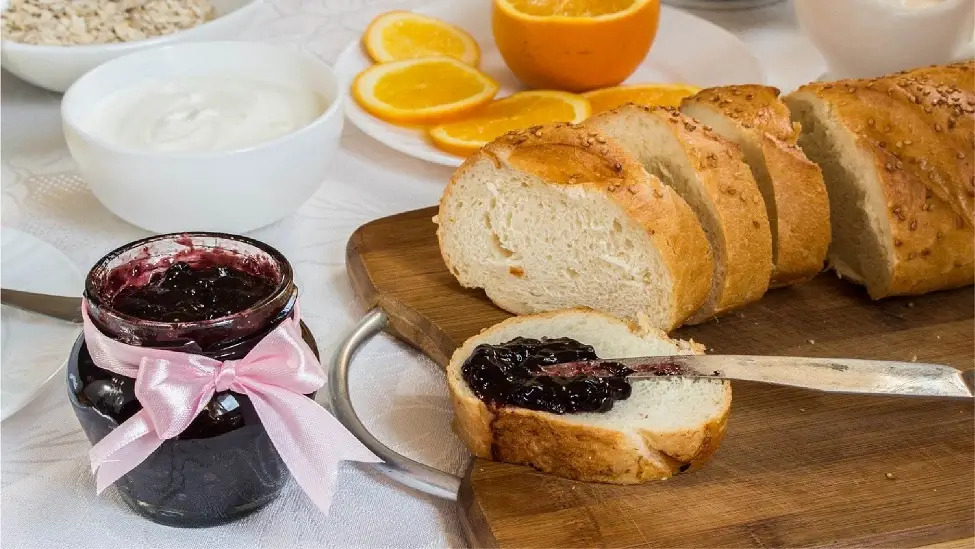
There’s something grounding about the feel of dough in your hands, the soft crackle of a crust fresh from the oven, and the rich smell that fills your kitchen. French bread isn’t just food; it’s an experience. It’s part technique, part tradition, and part heart.
Even if your first attempt turns out a little “rustic” (read: totally not Instagram-approved), each loaf tells its own story of your growth as a baker. And hey, it’s bread—even the mistakes are delicious.
From the humble baguette to the luxurious brioche, French bread proves that sometimes the simplest things in life bring the most joy. You don’t have to be in Paris to bake like the French—all it takes is a little knowledge and a willingness to get flour everywhere.
Now, roll up your sleeves, crank up some Edith Piaf, and start baking.
Bon appétit!