
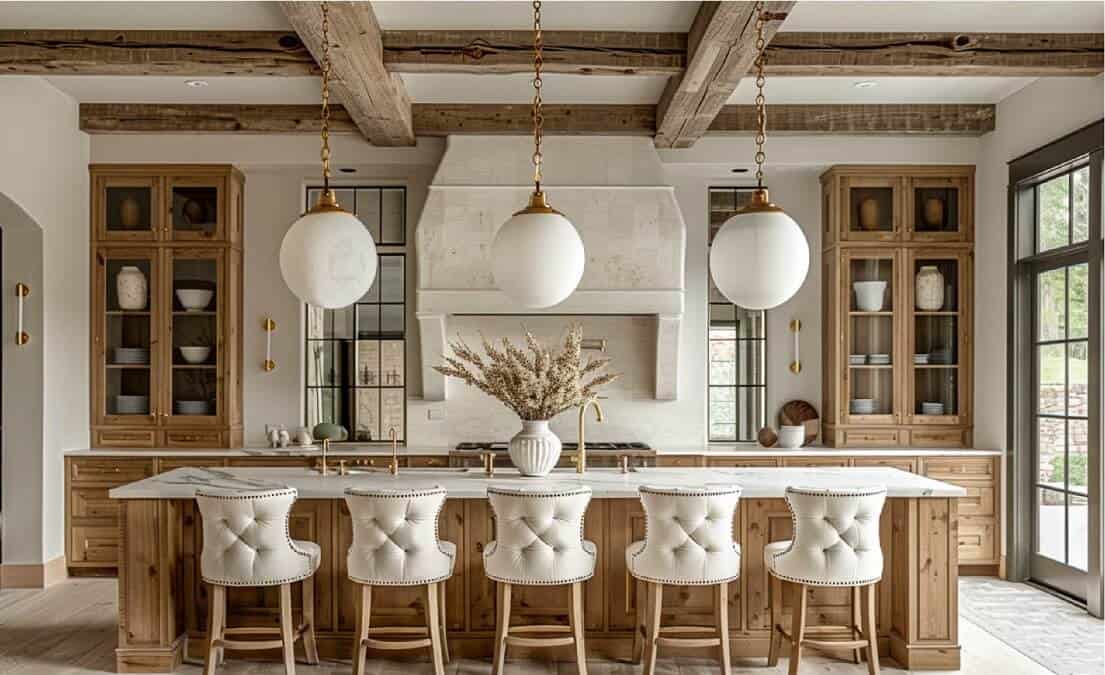
French kitchen design is like the culinary equivalent of a perfectly baked baguette – timeless, simple, and able to make your heart sing. Whether you’re whipping up a coq au vin or assembling the masterpiece that is a french omelette the layout and features of a French kitchen are there to make cooking a joy rather than a chore. The secret is all in the details.
From open shelving that displays your prettiest bowls to ergonomic layouts that save your back from aching (yes, that’s a thing), French kitchens are crafted to bring out the chef in everyone. Let’s take a look at what makes them so irresistibly functional and stylish.
Workspaces That Actually Work
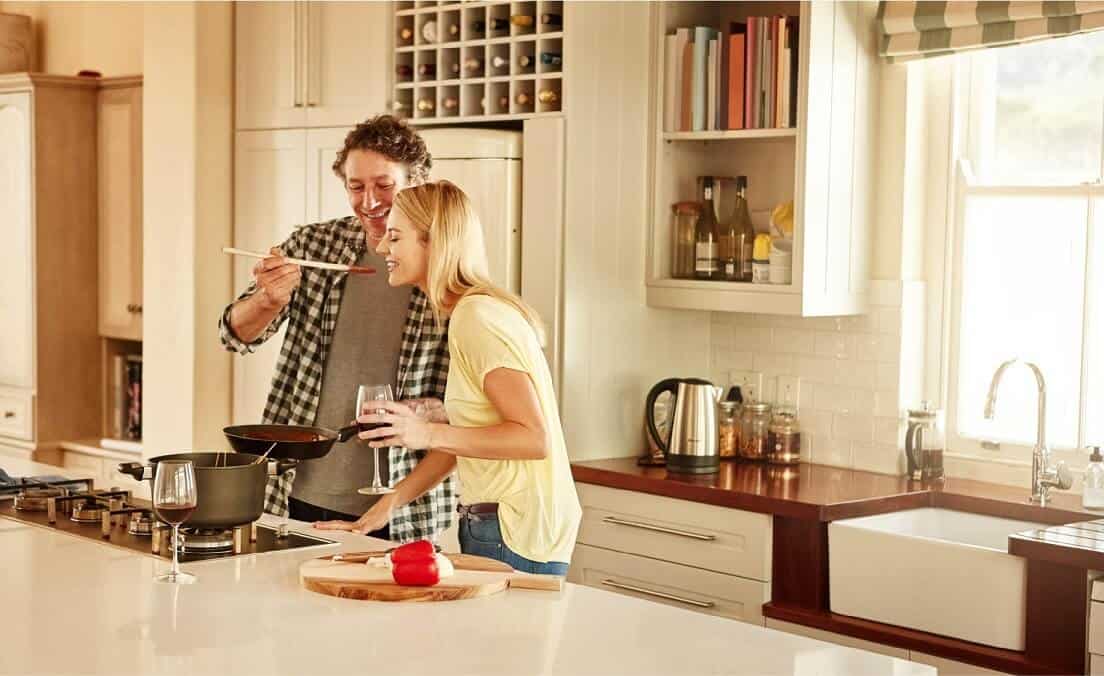
Cooking is a full-body workout. There’s slicing, dicing, lifting, stirring—basically, it’s aerobics for food lovers. French kitchens understand this and are designed to work with you, not against you. The concept of the “kitchen work triangle” (optimized placement of the sink, stove, and refrigerator) often comes into play here, but the French take it a step further.
Counter heights are carefully considered for maximum comfort, and the workspace is designed around your movements. Imagine cutting onions without that slight hunch that creeps in halfway through the second bulb—bliss! Plus, French kitchens often include generously sized islands that serve as multitasking powerhouses. They’re great for prepping, serving, snacking, or that emotional breakdown when your soufflé collapses.
The Use of Open Shelving
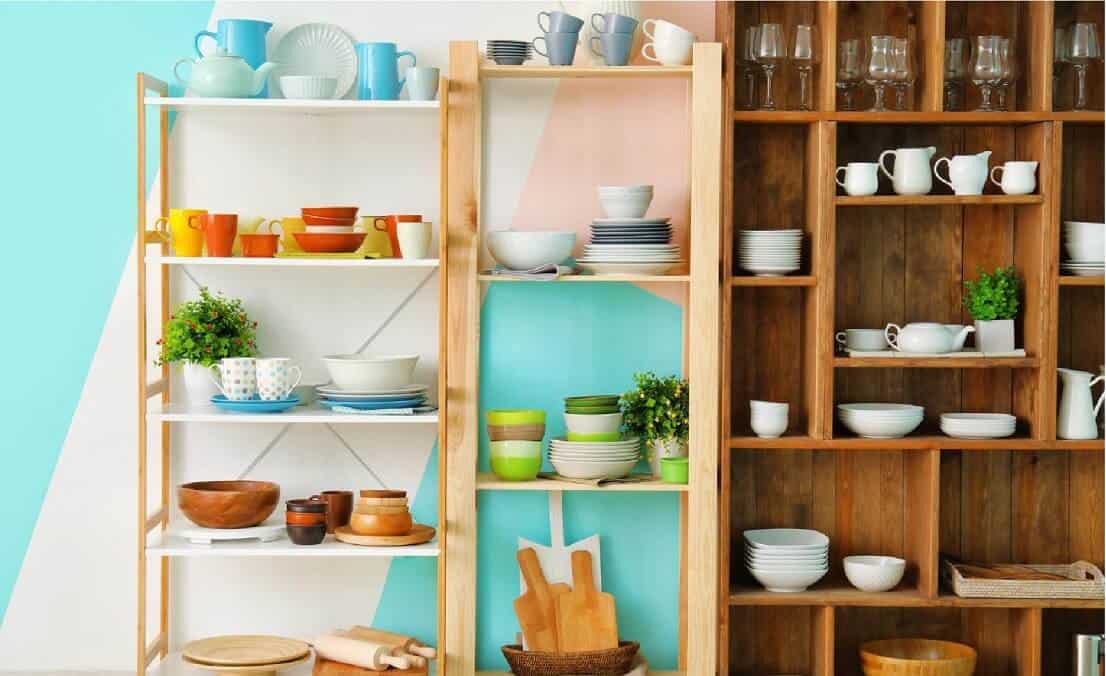
If you’ve seen pictures of a French kitchen, you know the open shelving trend isn’t just a passing Instagram phase—it’s a way of life. Stacks of pristine white plates, rows of sparkling wine glasses, and a colorful array of enamel cookware are proudly displayed like trophies. But this isn’t just about aesthetics. Open shelving makes it easy to grab what you need in the midst of cooking chaos. No fiddling around with cabinet doors when you’re elbow-deep in dough. Just be sure to consider the quality and functional aspects of of your kitchen cabinetry.
The beauty of this setup is its practicality. Need a mixing bowl? It’s right there, no treasure hunt required. And if your kitchen tools can double as décor (hello, copper pans), there’s no reason to hide them away.
Pro Tip: If you’re worried about things looking too cluttered, keep frequently used items out and neatly organize them – like a curated little kitchen art gallery. Voilà! You’ve got style and functionality.
High-Quality Materials
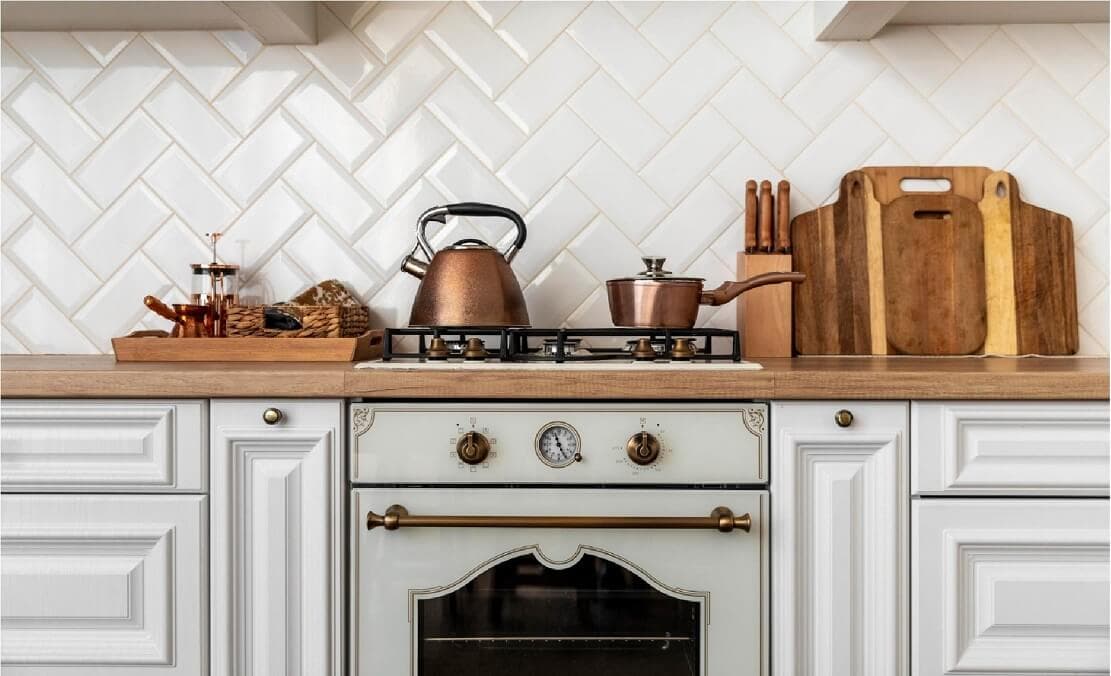
Here’s something the French nailed centuries ago—investing in quality. If there’s one universal truth in French kitchens, it’s that cheaply made stuff doesn’t stick around. Stone, wood, and metal are used to create a robust, long-lasting space that also happens to look ridiculously chic.
Take the stone countertops, for example. Marble is a favorite for its natural beauty and functionality. Sure, it scratches and patinas over time, but that’s part of the charm—it tells a story of culinary adventures past. Wooden cabinetry, often hand-crafted, adds warmth and a rustic vibe, while wrought iron details (like cabinet knobs or shelf brackets) bring in classic French sophistication.
For a modern twist, some kitchens now combine these natural materials with sleek finishes like stainless steel. This blending of traditional and contemporary makes the space feel fresh while keeping its French soul intact.
Function + Elegance
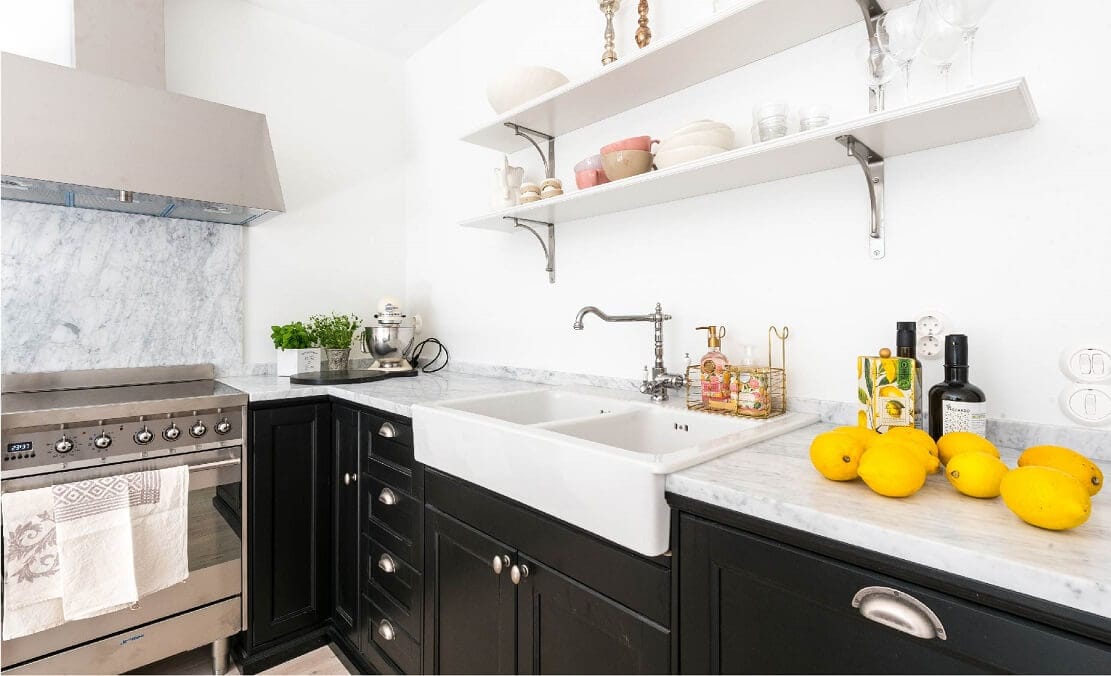
French kitchens manage to be stunningly beautiful without being impractical. There’s a lived-in coziness to these spaces that reflects life as much as luxury. Features like large farmhouse sinks don’t just look pretty—they can handle a pile of dishes from your latest dinner party. Wide, sturdy wood tables invite long meals and slow conversations, reminding you that the kitchen isn’t just for cooking; it’s for connecting.
Adding touches like fresh herbs in rustic pots or long-stemmed candles on the counter creates a dreamy ambiance that makes you want to linger for just one more bite.
What ultimately sets French kitchens apart is their ability to turn cooking into an experience, not just a task. The harmonious mix of thoughtful layout, durable materials, and timeless style allows you to enjoy the process of creating food just as much as eating it (or at least close). Stressful weeknight cooking? The open shelving and intuitive design make it easier. Weekend brunch prep? A spacious island has your back. Hosting friends for wine and cheese? The inviting charm practically writes the invitation for you. All of this works to create an environment where cooking feels less like a chore and more like an invitation to savor life.
Traditional Meets Modern
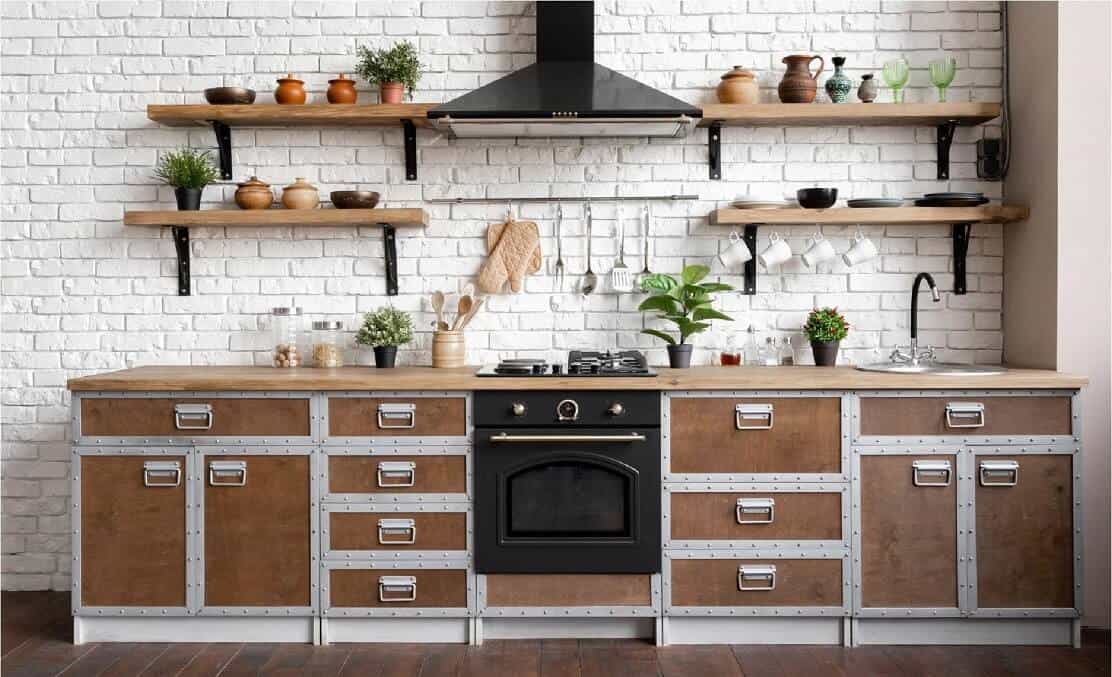
When you think “French kitchen,” your mind might conjure images of rustic country houses complete with checkered curtains and lavender bouquets. And those kitchens are still very much a thing. But what’s exciting is how traditional charm pairs seamlessly with modern innovations today.
Imagine a sleek induction cooktop surrounded by antique cabinets. Or, picture state-of-the-art appliances hidden behind wood paneling that looks like it belongs in a countryside château. Even traditional features like the iconic French range cooker—yes, the one that weighs as much as a small car—are now available with digital controls and energy-efficient features. It’s the best of both worlds and a delightful example of how French kitchens are evolving without losing their essence.
Sure, you could technically cook anywhere. But once you’ve cooked in a French kitchen—or even just recreated a few of its iconic features—you’ll understand why they’re the undisputed champions of culinary spaces.
It’s not just about cooking in style; it’s about making the process feel as rich and satisfying as the meals you create.
Now go on, whisk something fabulous!


